
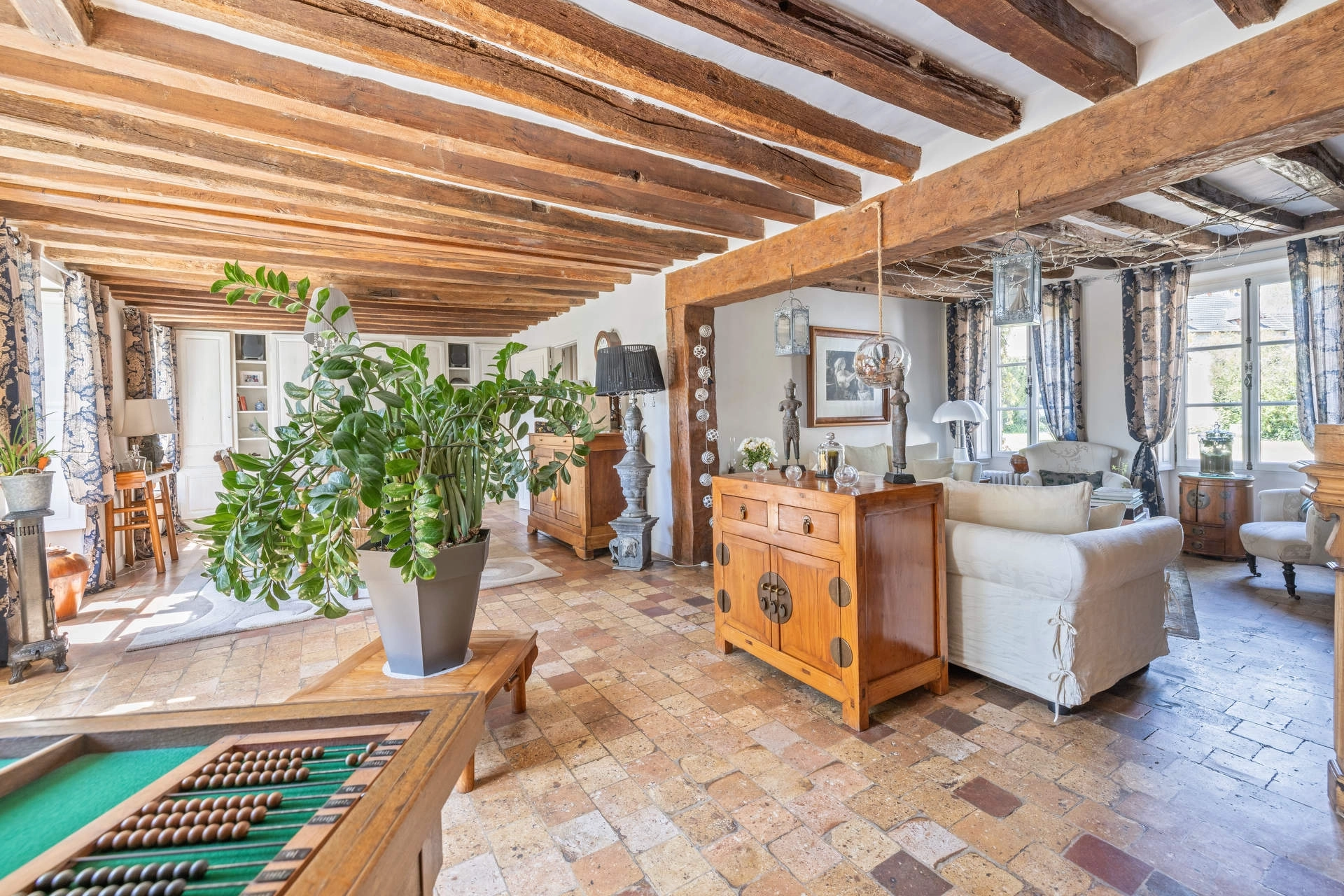
There is an unspoken rule, learned by all photography beginners: “Always have the sun behind your back.” While this advice is valid for a basic vacation snapshot, it becomes absolute heresy in architecture and interior photography.
In reality, light coming from behind the photographer is “flat” light, which crushes textures and homogenizes the scene. Conversely, backlighting—the situation where the light source (the window) is facing the lens—is the richest, most complex, but also most rewarding configuration. It is the light that sculpts space. Far from being a constraint to avoid by closing the curtains, backlighting is a powerful ally that I deliberately use to bring your interiors to life.
Volume and Material: The Light That Sculpts
Why seek out difficulty by shooting facing the light? Because it is the secret to volume. A grazing light coming from the back of the room or from the side will “cross” the furniture and objects. It is this direction of light that reveals the texture of a velvet sofa, the grain of an oak floor, or the translucency of a sheer curtain.
Backlighting creates soft cast shadows that “anchor” the furniture to the floor, avoiding the artificial “cut-and-paste” effect often obtained with a frontal flash. In architecture, we don’t sell flat walls; we sell volumes and tactile sensations. Backlighting is the technical tool that transforms a 2D image into a 3D, almost palpable visual experience.
The Technical Challenge: Mastering the Luminous Split
If backlighting is so dreaded, it is because it poses a major physical problem: dynamic range. The difference in brightness between the glaring sun in the garden and the cozy interior of the living room is immense. A camera set to automatic mode would panic: it would either “blow out” the window (becoming a white rectangle without details), or plunge the room into total darkness to save the outside view.
This is where my expertise comes in. Rather than fighting the sun with powerful flashes that would denature the mood, I use advanced shooting techniques (bracketing). As I explained in my article on post-production and invisible editing, I capture the details of the room and those of the outside view separately, to merge them later. This results in a balanced image where natural light floods the room without ever blinding the viewer.
The View: Bringing the Outside In
In real estate, and particularly for luxury properties, the view has tangible financial value. A wooded terrace, an urban panorama, or a glimpse of the sea are not details; they are major selling points. Photographing facing the bay window is often the only way to show the fluid connection between the “Inside” and the “Outside.”
By mastering backlighting, I allow future buyers to understand that they can enjoy their garden from their couch. The window is no longer a source of glare; it becomes a living painting that visually enlarges the space, an essential concept for rendering realistic volumes.
Emotion and Atmosphere
Finally, backlighting brings an undeniable emotional dimension. It floods the room with a soft, warm clarity. Sometimes, I deliberately let in a slight “flare” (a light halo) or let the sun’s rays draw geometric shapes on the floor. This artistic approach makes the location feel alive, inhabited, and welcoming. You can project yourself into it not as a cold showroom, but as a bright home.
Conclusion
Do not fear south-facing windows or bright sunshine. On the contrary, open the curtains and shutters wide. Natural light is the most beautiful raw material; my job is simply to tame it so that it enhances your architecture.
Want to see how I manage light on complex projects? Browse my portfolios.