
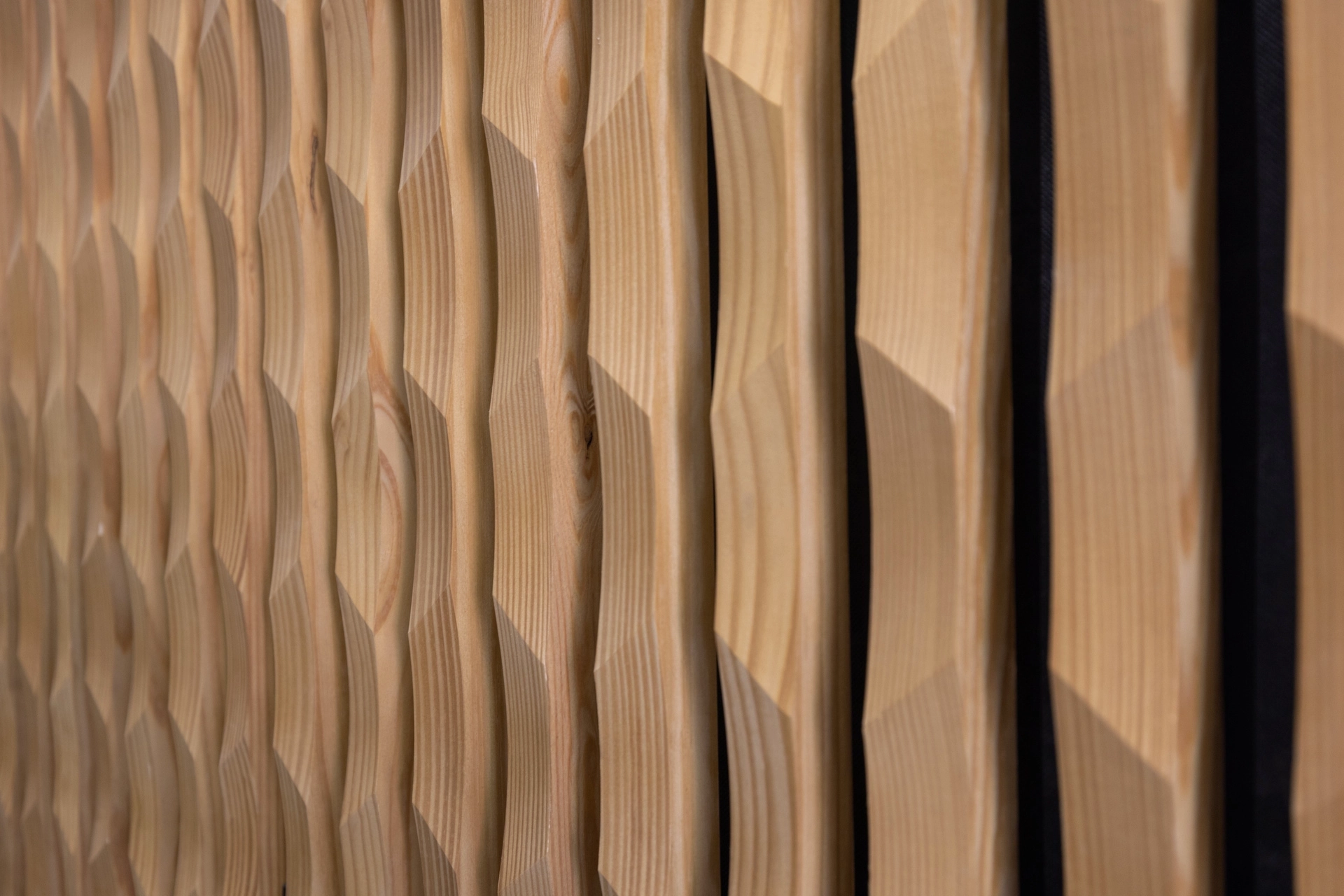
In an interior designed by an architect or an interior designer, nothing is left to chance. The lines, materials, objects, and textures express the designer’s intent.
My role, as a photographer specializing in architecture and interior design, is to precisely reveal these choices without ever isolating them from the meaning they carry within the overall project.
Reading the Designer’s Intent
Before photographing, I spend time observing the space to understand the art direction. I focus on the dominant materials, color associations, and the overall style (minimalist, warm, raw, sophisticated…).
I also identify the designer’s unique signatures that will make the photos stand out:
- A custom-made handle.
- A specific stitch on a textile.
- A repeated pattern or specific texture.
- A light fixture created specifically for the project.
These details are often the defining markers of a decorator, and I place them at the very heart of my approach.
Choosing the Right Details
Every interior has decorative elements that tell the essential story. Some are subtle, others more expressive. I select the details that truly define the identity of the place: the materials, the associations of shapes, or carefully chosen objects.
This is a similar approach to the one I apply in high-end furniture photography (found in my Residential & Hospitality portfolio), where I distinguish what is purely decorative from what structures the space. This hierarchy allows me to build images that faithfully reflect the project’s DNA.
Building an Image That Tells a Story
A detail never truly lives on its own. For it to retain its meaning, I place it within a composition that offers a glimpse of its environment. I use leading lines, depth of field, and overlapping layers to create an elegant image.
Each frame has a specific function:
- Highlighting the material.
- Revealing an intention.
- Creating a mood.
- Drawing the eye to a specific point.
The goal is to obtain aesthetic yet informative images, highly useful for a decorator’s communication.
Working with Light to Enhance Materials
Textures play an essential role in an interior designed by a professional. I primarily work with natural light to respect the palette and the decorator’s choices.
As I explain in my article on natural light in contemporary architecture, shadows help me reveal volumes, but I master them so they do not crush the materials. Wood, stone, linen, metal, velvet… each material reacts differently to light, and I adapt to render it accurately.
Creating Series Consistency
A successful reportage does not rely solely on beautiful isolated images, but on a coherent series that tells the story of the place. I organize a rhythm between wide shots, medium shots, and details, while maintaining a visual common thread aligned with the designer’s style.
I adjust my color grading to remain faithful to the project’s palette and ensure consistency across all images, whether they are used on a website, a portfolio, or a professional publication. To learn more, you can read my article on building a coherent series in architecture photography.
Added Value for Designers
My approach aims to respect and magnify the decorator’s hard work. By highlighting the details that set them apart, I help strengthen their brand image and create a portfolio that showcases their expertise.
A well-thought-out series reinforces communication, clarifies the designer’s style, and allows clients to immediately understand the universe they propose.
Are you an interior designer or decorator? Let’s highlight your signature style together through a photo reportage with a true eye for detail.