
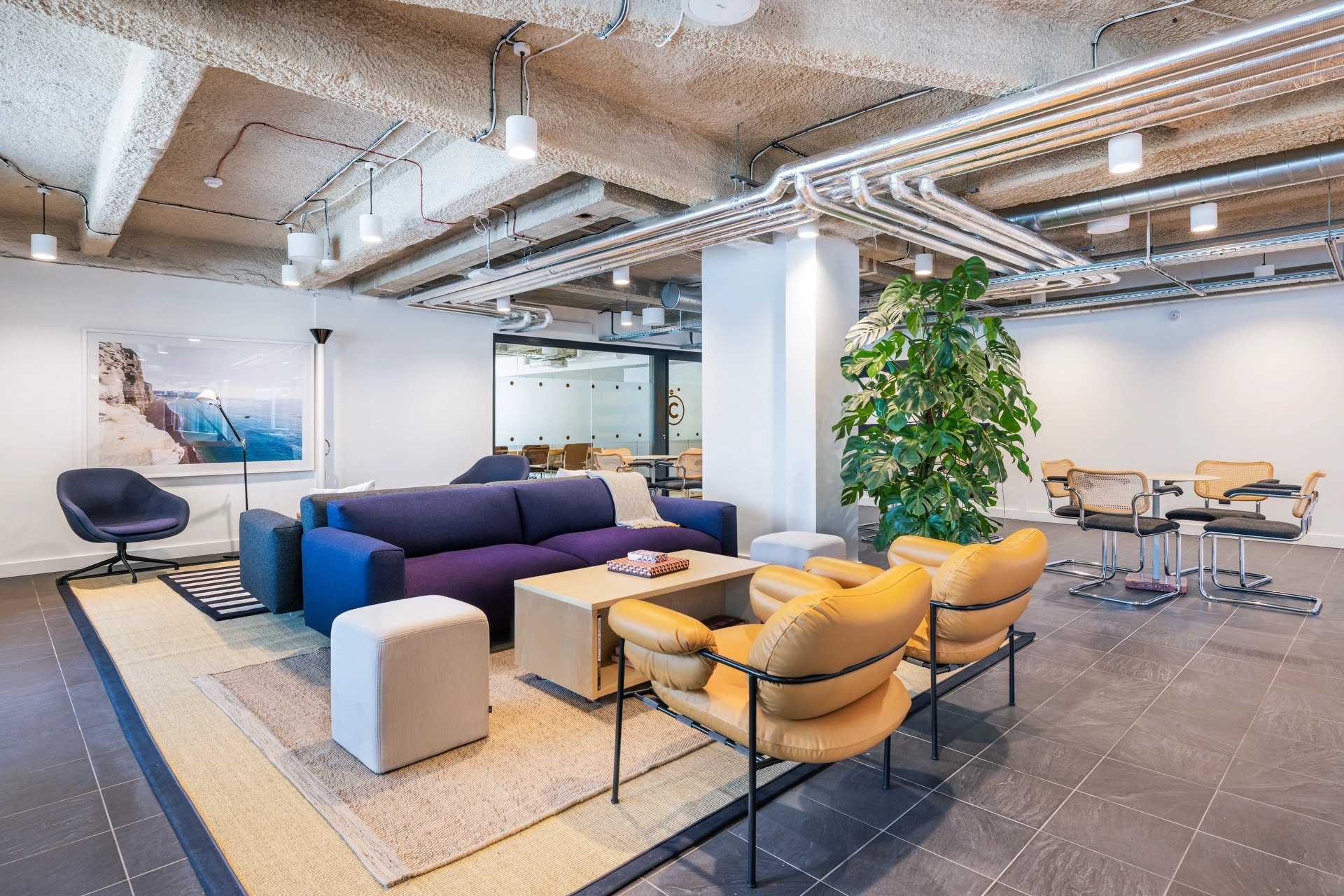
In architecture and real estate photography, post-production is an essential step. It makes it possible to refine an image, balance the light, and faithfully restore the architectural intent. But when it becomes excessive, it can quickly become counterproductive.
An overly retouched image does not enhance a project: it weakens its credibility. In a professional context—real estate development, architecture, hospitality, or retail—trust relies on an accurate and coherent representation of the location.
Post-Production Must Serve Reality, Not Transform It
My approach to retouching is a continuation of the work done during the shoot. As I explain in my article on the essence of post-production in architecture photography, the goal is never to create an artificial image, but to achieve a readable, balanced, and faithful rendering.
Excessive correction—overly pushed contrasts, saturated colors, or unrealistic lighting—alters the perception of the place. The image then ceases to be a reliable communication tool and becomes a mere illustration.
An Over-Retouched Image Distorts the Perception of Volumes
In real estate as in architecture, the reading of volumes is paramount. Aggressive post-production can artificially accentuate depth, crush perspectives, or distort the relationship between spaces.
This phenomenon is akin to the excesses observed with the ultra-wide angle, which I discuss in my article on the dangers of wide-angle in real estate photography. In both cases, the image promises an experience that does not match the reality of the location.
For a buyer, an investor, or an end-user, this discrepancy can generate immediate disappointment during the physical visit.
A Project’s Credibility Relies on Visual Consistency
In a real estate development, a residential complex, or an overall architectural project, the images must work together. Excessive retouching on certain views creates a visual rupture within the series.
It is precisely to avoid this pitfall that I attach great importance to building a cohesive series in architectural photography. Colorimetric and luminous consistency reinforces the readability of the project and the trust placed in the images.
An overly “perfect” image catches the eye, but it weakens the whole when it fails to respect the overall balance.
In Real Estate Photography, Trust is a Key Factor
In real estate photography, the image is often the first point of contact with a property. It directly influences the perception of standing, as I develop in my article on the impact of images on the perception of a property’s standing.
Excessive retouching can give the impression of a property being staged to hide its flaws. Conversely, a masterful, natural, and honest image reinforces the credibility of the listing and the perceived quality of the property.
In the high-end market, this accuracy is even more essential: the buyer expects a realistic promise, not an illusion.
Masterful Retouching Highlights the Photographer’s Expertise
Correct less, but correct better. This is a fundamental principle of my work. Subtle post-production reveals the quality of the light, materials, and finishes, without ever denaturing them.
This approach aligns with my work on managing natural and artificial light, where balance is always favored over exaggeration. A credible image is an image that inspires trust, both for the client and for the future users of the space.
Conclusion
To over-correct an image is to risk weakening the message it is supposed to convey. In architecture and real estate photography, the value of an image lies above all in its ability to represent a project with accuracy, consistency, and sincerity.
Masterful post-production goes unnoticed: it is felt. And it is precisely this discretion that makes the difference between an appealing image in the short term and a truly effective image in a sustainable communication strategy.