
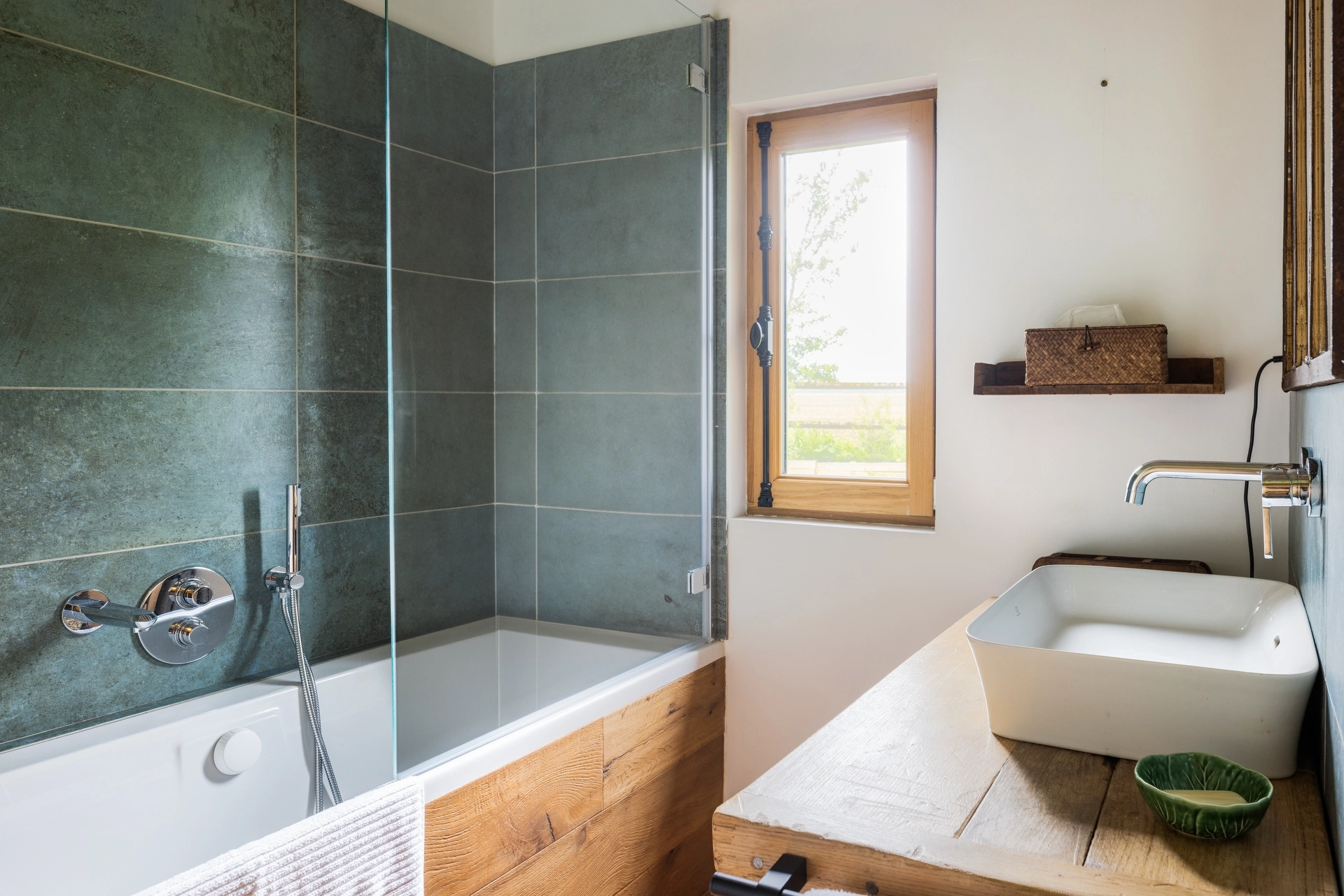
In architecture photography, exposure bracketing is often presented as an unavoidable step. However, it is neither an automatic reflex nor a universal solution. Improperly used, it can unnecessarily burden the production workflow and harm the visual consistency of a series.
In this article, I explain when bracketing is genuinely justified, in which cases it becomes counterproductive, and how I rationally integrate it into my professional approach to architecture photography and real estate.
What is Exposure Bracketing in Architecture?
Exposure bracketing involves taking several shots of the same scene with different exposures (underexposed, correctly exposed, overexposed) in order to capture a wider dynamic range than a single file can offer.
This technique is particularly used when the difference between the light and dark areas exceeds the sensor’s capabilities, especially in backlit situations, which I detail in my article on backlighting in real estate photography.
Situations Where Bracketing is Truly Relevant
Interiors with Very Bright Openings
When photographing an interior with large bay windows, the difficulty lies in simultaneously preserving:
- Readable interior volumes.
- A credible exterior view.
- A natural lighting atmosphere.
In this specific case, bracketing makes it possible to maintain the balance between inside and outside, without crushing the highlights or blocking the shadows. This issue is directly linked to the management of natural light, which I discuss in detail in Lights off or on? Why favor natural light.
Facades in Contrasting Light
On certain south-facing facades with pronounced shadow areas (awnings, recesses, vegetation), bracketing allows the material and architectural reading to be restored without sacrificing the modeling.
This is particularly useful when the architecture relies on the interplay of shadows and volumes, as I explain in Photographing facades: revealing a building’s architectural identity.
Nocturnal or Semi-Nocturnal Spaces
Nighttime architecture photography often involves a complex coexistence between:
- Artificial indoor lighting.
- Urban lighting.
- Very dark, unlit areas.
Under these conditions, bracketing preserves a credible atmosphere without “extinguishing” the image through excessive correction, as I develop in Photographing night spaces: managing artificial lights.
When Bracketing Becomes Useless, Even Harmful
Moderate Contrast Scenes
With current sensors, many scenes can be perfectly managed with a single, well-thought-out exposure. Multiplying files in these cases brings no real gain but complicates post-production.
This logic is part of a mastered approach to retouching, which I develop in Why excessive post-production can harm a project’s credibility.
Risk of an Artificial Rendering
Poorly merged bracketing can produce:
- Halos around windows.
- Inconsistent shadows.
- An unrealistic visual atmosphere.
However, in real estate and architecture photography, the goal is not to impress, but to reassure and project, particularly in the context of sales or corporate communication. This point is central in Real estate photography: how images influence the perception of a property’s standing.
My Method: Using Bracketing as a Tool, Not a Rule
On location, I always start by analyzing:
- The actual dynamic range of the scene.
- The building’s orientation.
- The quality of the available light.
This preparatory work is inseparable from scouting, which I consider fundamental: The importance of scouting before an architecture or real estate shoot.
I only use bracketing when it serves the readability of the project, never automatically.
Bracketing and Series Consistency
Finally, bracketing must remain consistent throughout a reportage. Mixing heavily merged images with more natural ones creates a detrimental visual rupture.
Building a homogeneous series remains an absolute priority, as I explain in Building a cohesive series in architectural photography.
Conclusion
Exposure bracketing is neither an obligation nor a guarantee of quality. Used with discernment, it solves complex situations. Used systematically, it can weaken the final rendering.
In architecture photography, technical mastery must always remain at the service of the project’s readability, consistency, and credibility.