
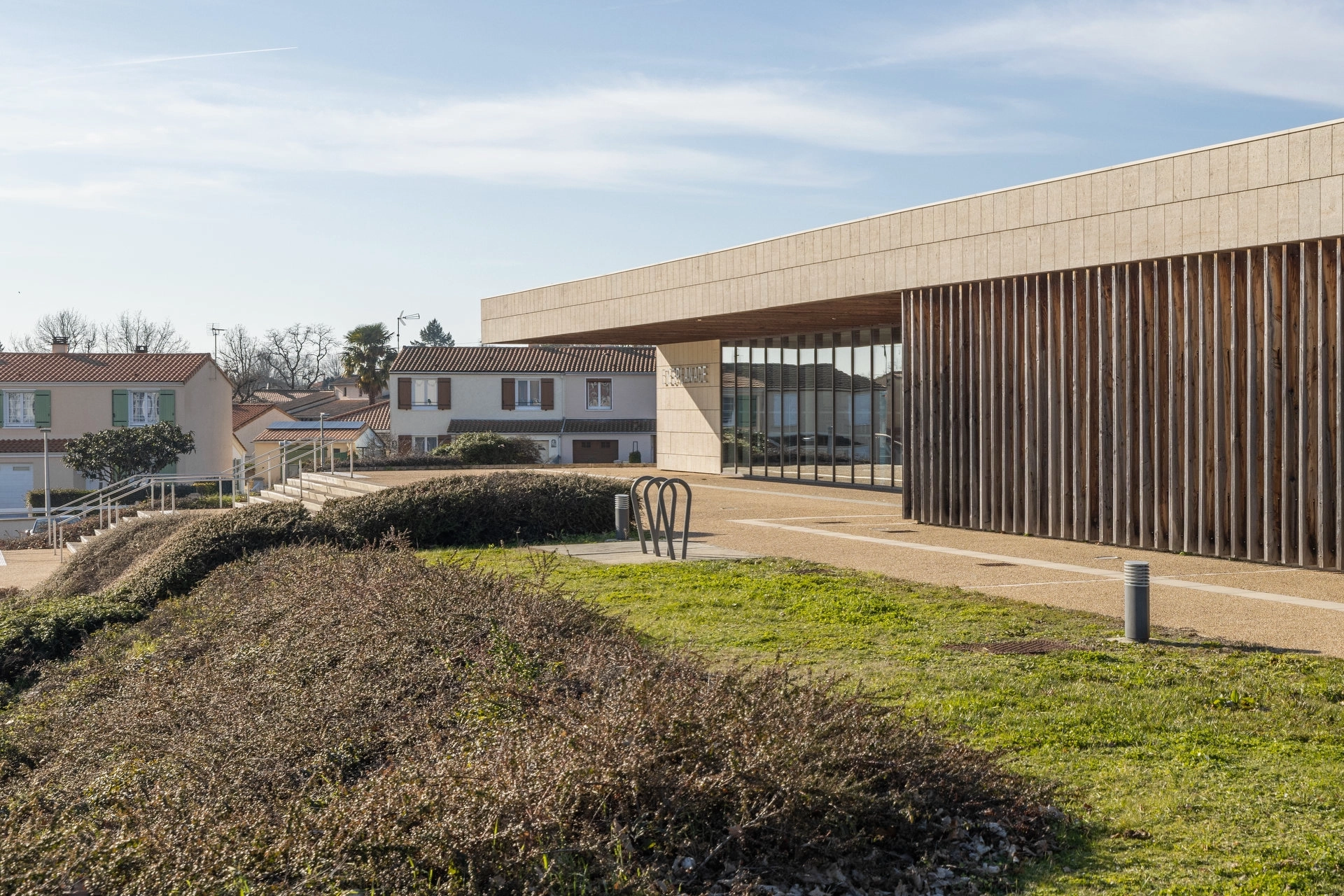
Location scouting is one of the most critical steps in my preparation when shooting an architecture reportage or a real estate project. It allows me to analyze the location, anticipate the light, adapt my equipment, and guarantee a coherent result across the entire series of images. For my clients—developers, architects, and property managers—it is an absolute guarantee of receiving a reliable, aesthetic, and perfectly usable reportage.
Why Scouting Changes Everything
Preparation is just as important as the actual shoot. Scouting allows me to determine the optimal times, choose the most relevant angles, and avoid mistakes related to lighting or site constraints.
This step is directly linked to several approaches that I explain in greater detail in other articles:
- Anticipating light and choosing schedules: see the article on how a building’s orientation influences the photographic approach.
- Managing straight lines and perspective: see my method for anticipating and correcting optical distortions.
- Building consistency in shared spaces: see the article on photographing the common areas of a residence.
- Adapting to difficult days: see how I work under unfavorable weather conditions.
What I Analyze On-Site
1. Natural Light and Orientation
As soon as I arrive on location, I identify the orientation of the facades and how the light evolves throughout the day. I spot the facades that will benefit from soft light, areas prone to overexposure, shadows cast by neighboring buildings, and the precise times to obtain homogeneous light. This analysis allows me to organize a logical schedule to optimize the session.
2. Technical Constraints and Angles
Scouting helps me immediately identify the most relevant axes, but also the constraints (lack of distance, annoying reflections, temporary elements to avoid, difficult access). I then adapt my equipment: mastered ultra-wide angle, tilt-shift lens, tripod, or specific filters.
3. Preparing Interior Spaces
Indoors, I analyze the consistency of the furniture, the general condition of the rooms, elements to remove or reposition, artificial light sources, and the true potential of natural light. I also identify the most readable angles to reveal volumes and circulation, as I explain in my method for photographing a model home.
4. The Exterior Environment
Outdoors, I observe everything that influences the shot: traffic, parking, cleanliness of the surroundings, density of the vegetation, and the general atmosphere around the building. These elements directly impact the shoot’s organization.
How Proper Scouting Improves Image Quality
Precise scouting allows me to:
- Avoid unforeseen issues on the day of the shoot.
- Choose the best times for each facade.
- Build a coherent series from morning to evening.
- Obtain balanced and harmonious images.
- Reduce corrections needed in post-production.
This preparation ensures a rendering that is faithful to the architecture and perfectly tailored to the marketing needs of my clients.
Conclusion
Location scouting is a central element in my work as an architecture photographer and real estate photographer. It allows me to anticipate constraints, structure the session precisely, and produce images that truly enhance the project. For a developer, architect, or agency, it is the ultimate guarantee of a mastered, efficient, and entirely usable reportage.