
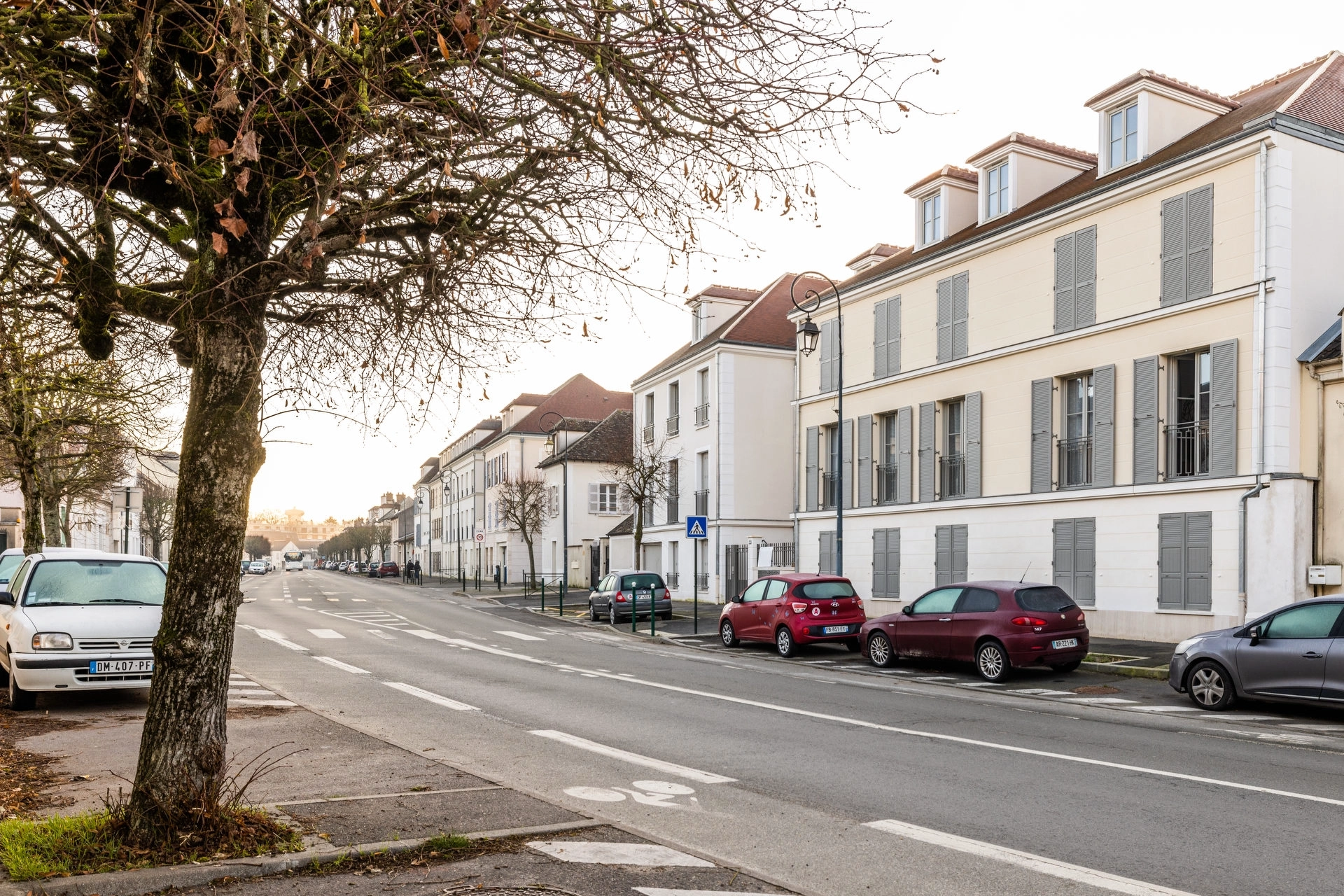
Morning Light, a Decisive Ally
Photographing a facade at sunrise profoundly transforms how a building is perceived. The soft morning light reveals volumes, creates elegant long shadows, and brings warm tones that greatly enhance materials. It is a precise, rare moment that requires rigorous anticipation and being on-site at the exact second the light becomes ideal.
To delve deeper into how I work with natural light in architecture, I present my approach on my dedicated architecture photography page.
Why Sunrise is a Strategic Moment
In the early morning, the light grazes the facade and naturally highlights the architecture. It offers three major advantages:
- Sculpted volumes thanks to low-angle light that emphasizes lines.
- Warmer colors, perfect for concrete, wood, or stone facades.
- Controlled contrast, without blown-out highlights or crushed shadows.
This rendering is often impossible to achieve later in the day, when the sun rises higher and flattens out the details.
To understand how I approach other demanding situations, I also detail my workflow in this article: Photographing highly colorful spaces: how I balance saturation, realism, and visual identity.
Preparation: The Key to a Successful Image
To take full advantage of this light, I anticipate every step:
- I study the building’s orientation and exposure.
- I analyze the exact time of sunrise, which varies by season.
- I observe the zones that will be in shadow at the critical moment.
- I define the angle that will best highlight the facade.
The goal is simple: to be ready at the exact moment the light becomes perfect, because this window of opportunity only lasts a few minutes.
To discover how I apply this same rigorous preparation in other contexts, I explain it in: Which spaces to photograph absolutely in a home to maximize impact.
Long Shadows: A Powerful Creative Tool
At sunrise, stretched shadows create a dynamic reading of the building. I use them to:
- Structure the image.
- Reinforce the geometry.
- Guide the eye toward the architectural lines.
However, they must be carefully managed to avoid unwanted shadows cast by distracting elements like vegetation or street furniture. This pursuit of precision is also central to my approach to geometry, detailed here: The impact of a tilt-shift lens in an architecture series.
The Soft Morning Rendering: An Asset for Materials
Morning reveals materials with exceptional finesse:
- Concrete gains nuance.
- Wood takes on a warmer tone.
- Steel becomes less glaring.
- Stone recovers its depth.
The less aggressive light reduces harsh reflections and allows for an elegant, natural, and coherent rendering.
Ideal Visual Consistency for an Architecture Series
Photographing multiple facades at sunrise allows for a homogeneous series: the same overall tonality, the same level of contrast, and a calm, qualitative atmosphere.
For developers, architects, and high-end agencies, this consistency immediately reinforces the perception of the project, whether for a call for tenders, a showcase website, or a marketing brochure.
My dedicated services are presented here:
Conclusion
Sunrise is not simply a pretty moment of light: it is a strategic choice. It makes it possible to reveal the architecture with precision, enhance the materials, and build a coherent, high-end image series. By working at this exact moment, I bring the essence of the building to light and enrich the overall reading of the project.