
In architectural photography, the handover of a building often marks the ideal time to shoot a project. Lines are sharp, materials are pristine, and spatial volumes are perfectly legible. The project is still untouched by human intervention.
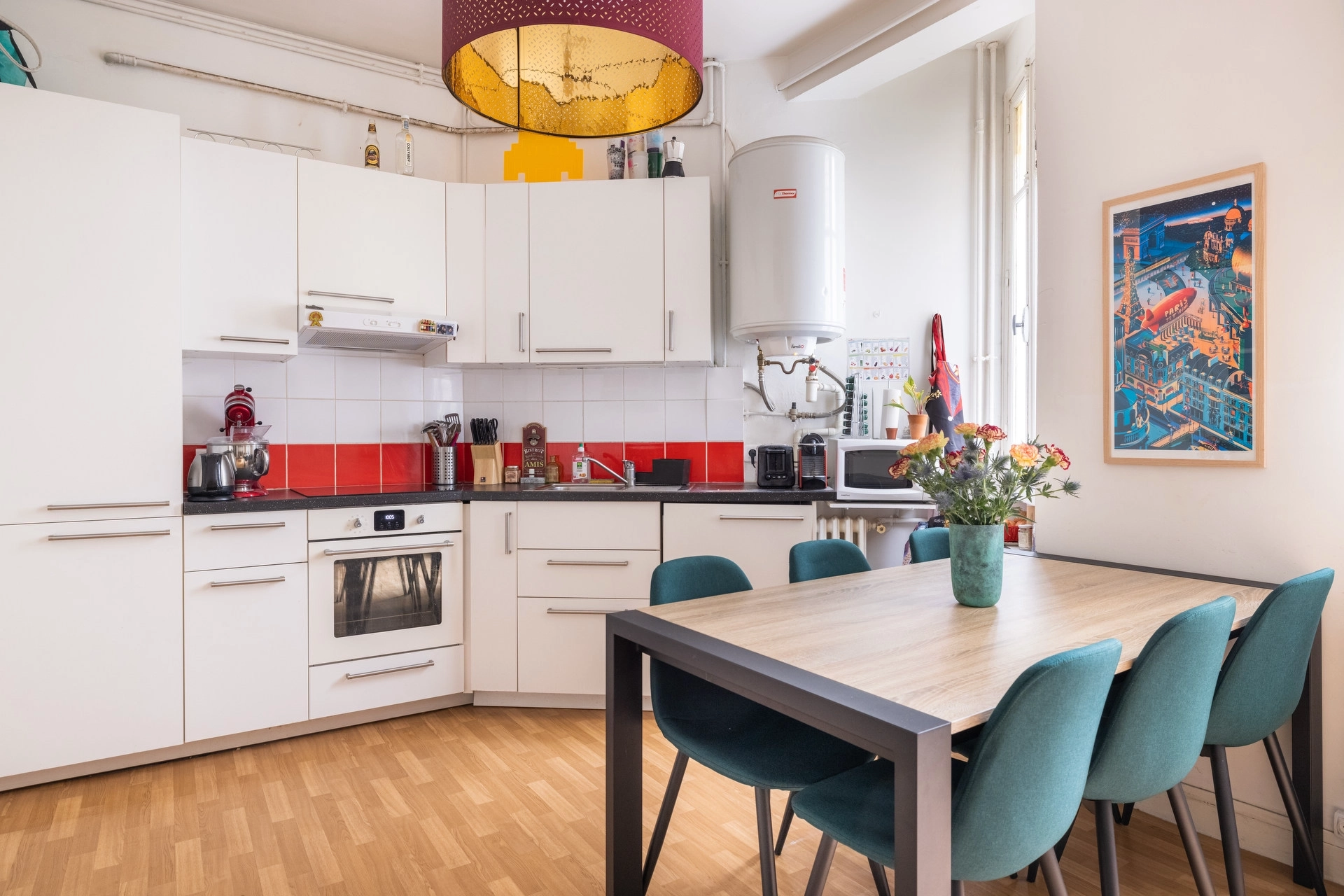
However, waiting until the space is inhabited can profoundly transform the visual narrative. Photographing an architectural project once it is occupied is not simply about adding furniture or human figures. It changes the way the building is perceived, understood, and communicated.
From Architectural Object to Lived Space
When a building is photographed immediately after completion, it is presented as an object. The composition highlights lines, symmetry, and proportions. The image emphasizes formal purity.
I explain this approach in my article on the rigor of symmetry and the frontal viewpoint in architectural photography, where the architectural reading takes precedence over usage.
Once inhabited, the project leaves this purely formal dimension behind. It becomes a lived space. Traffic flows activate, openings interact with the outside, and volumes take on a more human scale.
The narrative shifts: we are no longer just looking at a building, we understand how it is used.
Usage Reveals Architectural Intent
An architectural project is designed to be lived in, traversed, and utilized. Without presence, certain intentions remain abstract.
A staircase, for example, might be perceived as a sculpture when empty. Once used, it reveals its function, ergonomics, and relationship to movement. I discuss this dimension in The Staircase in Architectural Photography: Between Sculpture, Light, and Use.
The presence of occupants or elements of daily life provides scale. It contextualizes the project. It makes tangible what was previously only suggested.
Light Transformed by Life
An inhabited building no longer interacts with light in the same way. Curtains filter, lamps supplement, and shadows shift.
Photographing an empty space often favors homogenous, highly controlled light. In an occupied space, light becomes more organic and complex.
This evolution enriches the visual narrative. It introduces a temporal dimension. The project is no longer frozen in a perfect moment, it is part of a daily rhythm.
A More Emotional Narrative
An empty project speaks primarily to architects and industry professionals. It emphasizes composition, formal choices, and materiality. An inhabited project broadens the audience. It becomes more accessible. The image tells a story.
In Architecture and Photography: What the Image Must Show… and What it Must Willingly Hide, I mention this idea of narrative selection. Photographing an inhabited space requires a choice: showing usage without diluting the original architectural intent.
Between Authenticity and Staging
Photographing an inhabited project requires a delicate balance. Too much clutter can blur the architectural reading. Too much staging can feel artificial.
In my article on how to photograph an inhabited interior while maintaining its authenticity, I develop this tension between realism and intent. The objective remains to preserve the coherence of the project while revealing how it is appropriated.
A Different Reading of Context
An inhabited building interacts differently with its environment. Balconies come alive, terraces are furnished, and common areas become active.
This dimension reinforces the importance of context, which I develop in Architectural Photography: Why Context Matters as Much as the Building. Usage creates continuity between the interior and exterior. It makes the project’s integration into its surroundings visible.
A Strategic Tool for Architectural Firms
For an agency, having two types of photo shoots—at handover and once inhabited—greatly enriches a portfolio.
- The first highlights formal rigor.
- The second demonstrates the long-term relevance of architectural choices.
This dual reading strengthens the credibility of the project and proves its ability to function beyond theoretical design.
A Temporality That Tells of Evolution
Photographing an inhabited project introduces the notion of duration. The building is no longer a frozen achievement, but an evolving space.
Materials weather, usages become clearer, and traffic flows become natural. The image gains depth. In this approach, photography becomes a tool for memory as much as a tool for communication.
Conclusion
Photographing an architectural project once it is inhabited profoundly changes the narrative. The building ceases to be merely an architectural object and becomes a living space. Usage reveals intent. Human presence provides scale. Light evolves. Emotion takes hold.
In an architectural communication strategy, integrating this dimension offers a more complete and embodied reading of the project.
If you wish to document a completed project or revisit a building once it is inhabited, you can discover my dedicated approach to architectural photography or contact me directly via the Contact page.