
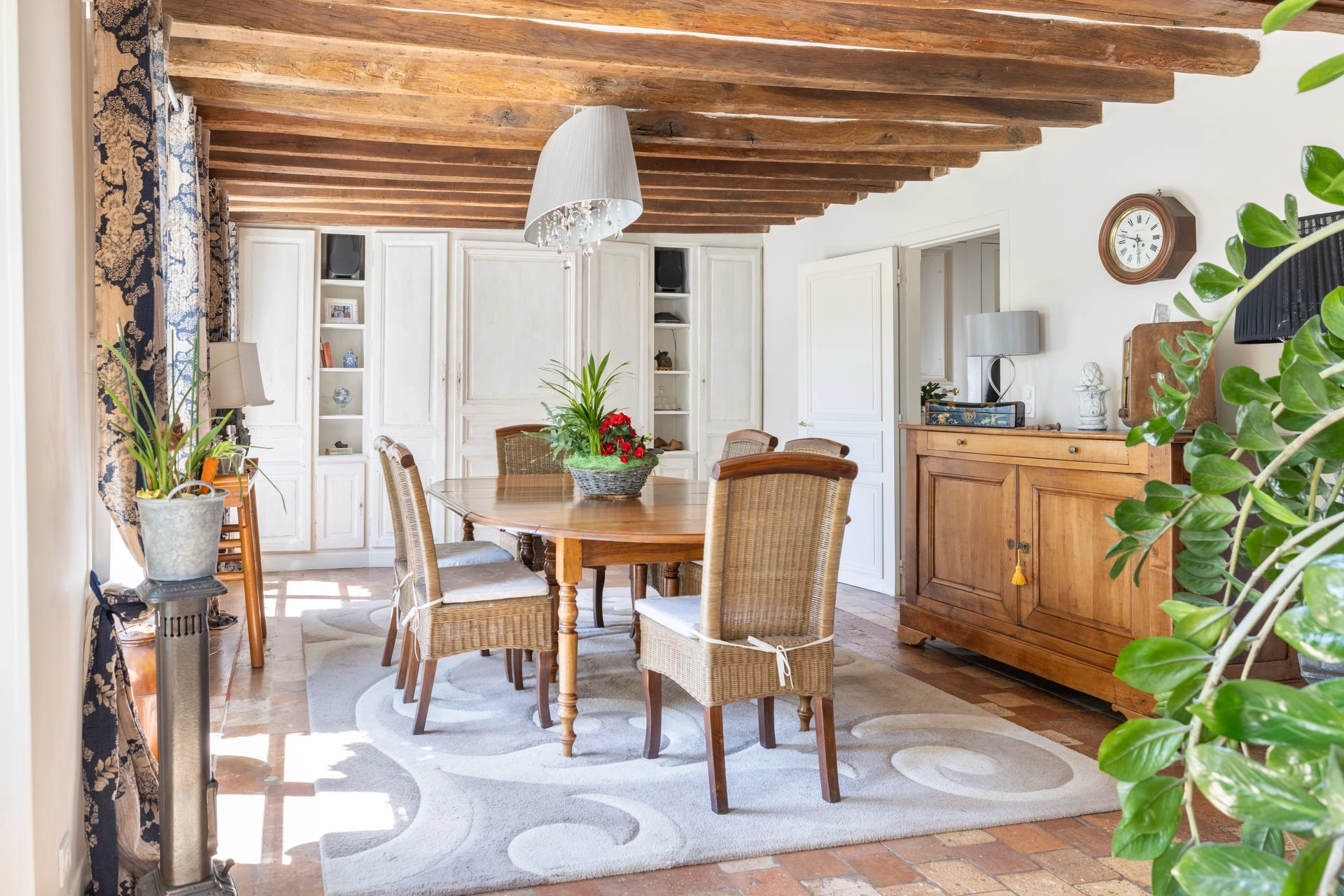
Photographing an interior that is already inhabited requires a highly sensitive approach. It is not about transforming the space or making it look artificially perfect, but rather about revealing its soul. Every object, every ray of light tells a story about the people who live there.
It is this authenticity that I seek to preserve through my images, stepping away from the overly polished or standardized staging often found in commercial photography.
Understanding the Spirit of the Place Before Shooting
When I photograph an occupied interior, my first objective is to understand how the inhabitants live and appropriate the space. This observation allows me to restore a faithful atmosphere without falling into excessive staging. I identify the elements that define the identity of the place: materials, lighting, everyday objects, and natural flow.
This is also what makes the difference between simple documentation and an engaging real estate presentation, as I do in my residential real estate photography services.
Sorting, Tidying, and Simplifying Without Altering
Inhabited interiors can quickly appear cluttered. My role is to find the perfect balance between a neat image and the true authenticity of the location. I only remove distracting elements to let the image breathe:
- Visible cables and chargers.
- Administrative papers and mail.
- Overly personal objects (close-ups of family photos).
- Packaging and cleaning products.
The idea is never to completely depersonalize, but to visually lighten the space to reveal the volumes and circulation. This approach also applies to my architecture photography shoots, where the readability of the spaces always takes precedence.
Adjusting Light to Preserve True Colors
Light plays a decisive role in occupied interiors. Rooms often feature mixed light sources: windows, lamps, wall sconces, and accent lighting. I adapt my method to each situation, prioritizing natural light whenever possible.
I then adjust the balance with artificial light to avoid overly warm or cold color casts. This search for an accurate rendering aligns with the workflow I explain in detail in my article on luxury real estate photography.
Composing Lively yet Structured Images
An inhabited interior tells a story. I compose my images to make this dimension palpable, while maintaining the necessary precision for professional use: real estate listings, presentation folders, and communication materials.
I sometimes incorporate a few meaningful objects—an open book, a plant, a fabric texture—to add warmth without disrupting the readability of the space. The important thing is that every image remains clear, structured, and pleasant to explore.
Fine Retouching to Respect Reality
Post-production is the final step to guarantee a balanced result. I correct perspectives, adjust colors, and harmonize brightness, all while ensuring the real character of the place is preserved.
Inhabited interiors demand a subtle approach: never erase what gives them their charm, but rather enhance what creates their visual strength. The retouching must remain invisible so that the viewer can naturally project themselves into the space.
Looking to sell or rent an occupied property? It is entirely possible to showcase it without moving everything out. Contact me to create a photo reportage that respects the life of the place while attracting potential buyers.