
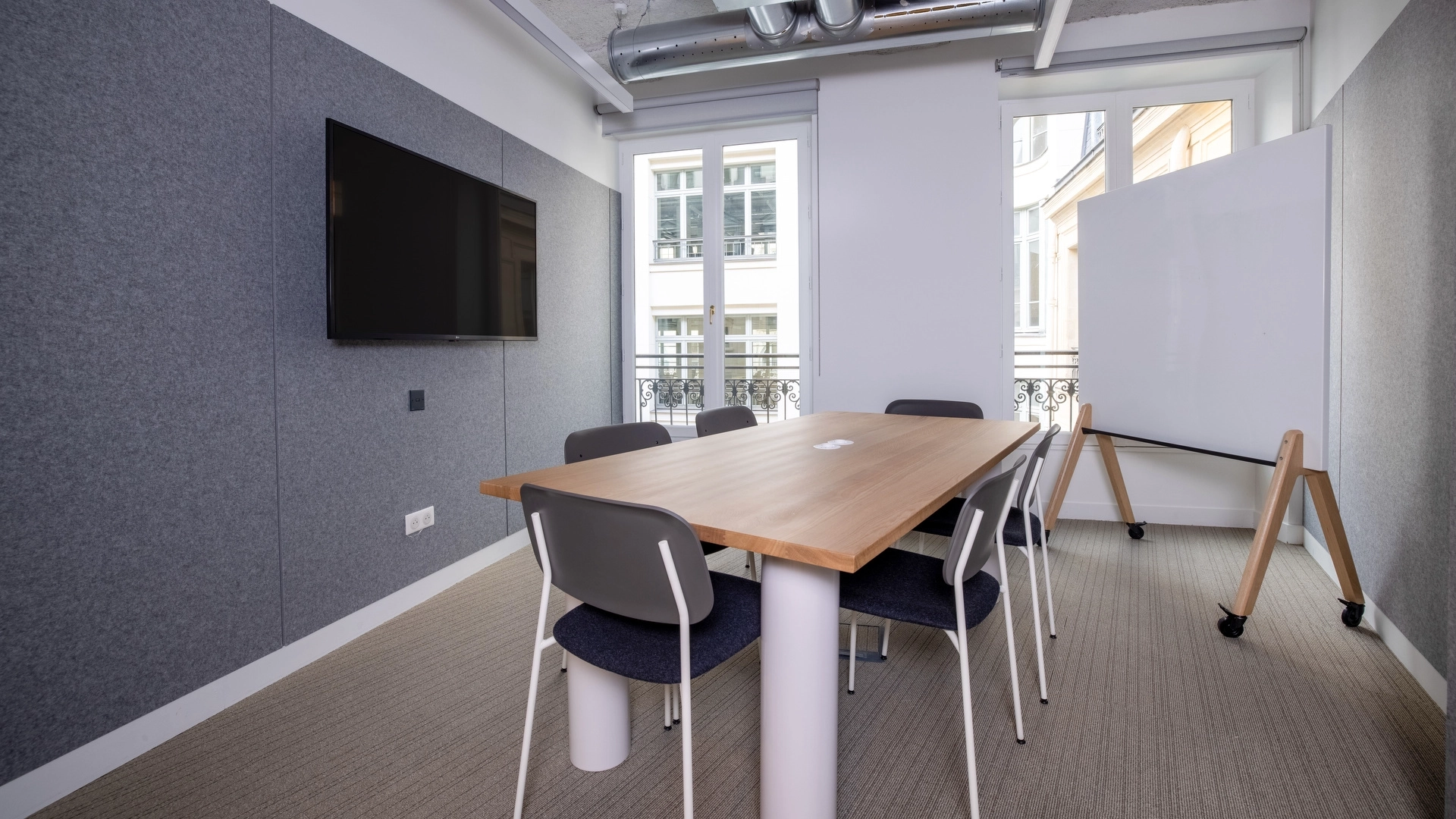
Office photography is not limited to documenting a workspace. It must meet a dual requirement: reflecting the company’s brand image while showing the practical reality of the space.
In the tertiary sector, offices are both a functional tool and a communication medium. They embody a corporate culture, a positioning, and a way of working. Photographing them therefore requires finding a subtle balance between controlled representation and authenticity.
The Office as the Company’s Showcase
Today, workspaces are fully integrated into a brand’s identity. Whether it’s a corporate headquarters, a coworking space, or renovated offices, the layout becomes a strategic asset.
Photography helps to highlight:
- The quality of the materials
- The spatial organization
- The fluidity of movement
- The lighting atmosphere
In my article on commercial real estate photography, I explain how images contribute to strengthening the employer brand and attracting talent. A well-photographed space suggests an organized company that cares about well-being and modernity.
Showing Usage Without Disrupting the Image
Photographing an empty office preserves architectural legibility. The lines are sharp, perspectives are controlled, and the composition is balanced. However, an entirely empty space can seem cold or artificial. It doesn’t tell the story of the life within it.
Conversely, too much human presence can blur the architectural reading. In my article on how to photograph an inhabited interior while maintaining its authenticity, I address this tension between real usage and visual consistency. This issue applies particularly to offices. The goal is to suggest activity without creating visual clutter.
The Human Scale as a Reference
Human presence plays a fundamental role in the perception of volume. It provides scale, allowing the viewer to understand ceiling height, spatial depth, and circulation.
In an open-plan office, a few employees working can reinforce the credibility of the image. An occupied meeting room reveals the functionality of the place. This approach aligns with the ideas developed in Architectural Photography: Why Context Matters as Much as the Building. Usage is an integral part of the context.
Lighting: Between Comfort and Aesthetics
Offices are designed to offer optimal visual comfort. Natural light, combined with controlled artificial lighting, contributes to the quality of the work environment. Photographing these spaces requires preserving this balance.
In Lights Off or On? Why Favor Natural Light, I detail the importance of a credible lighting render. In commercial spaces, this aspect is central: overly dramatic lighting can detract from the perception of comfort. The image must remain faithful to the actual experience.
Circulation and Spatial Organization
An office is more than just workstations. It includes collaborative spaces, informal areas, meeting rooms, and relaxation zones. Photographing these different areas helps convey the diversity of uses.
In How I Photograph Shared Workspaces, I explain how to highlight collective dynamics without sacrificing architectural clarity. Each zone tells a facet of the company’s story.
Institutional Image and External Communication
Office photographs are used across multiple channels:
- Websites
- Recruitment materials
- Social media
- Press kits
- Call for tenders
They become a strategic tool. In The Importance of the Photographer in Marketing Materials, I explain how visual quality directly influences professional perception. A poorly photographed space can weaken the company’s overall image, even if the interior design is high quality.
Between Neutrality and Intention
Photographing offices requires a degree of neutrality. The image should not overplay the staging or give an artificial impression. At the same time, every framing choice is deliberate. Every angle tells an intention.
Architectural photography cannot be standardized, as I explore in Why Architectural Photography Cannot Be Standardized. Offices demand an approach adapted to the corporate culture and its positioning.
Conclusion
Photographing offices means navigating between two demands: enhancing brand image and respecting practical usage. A commercial space must appear functional, comfortable, and consistent with the company’s identity. Photography then becomes a strategic tool, serving recruitment, institutional communication, and corporate credibility.
If you wish to enhance your workspaces, discover my approach to architectural photography or contact me directly via the Contact page.