
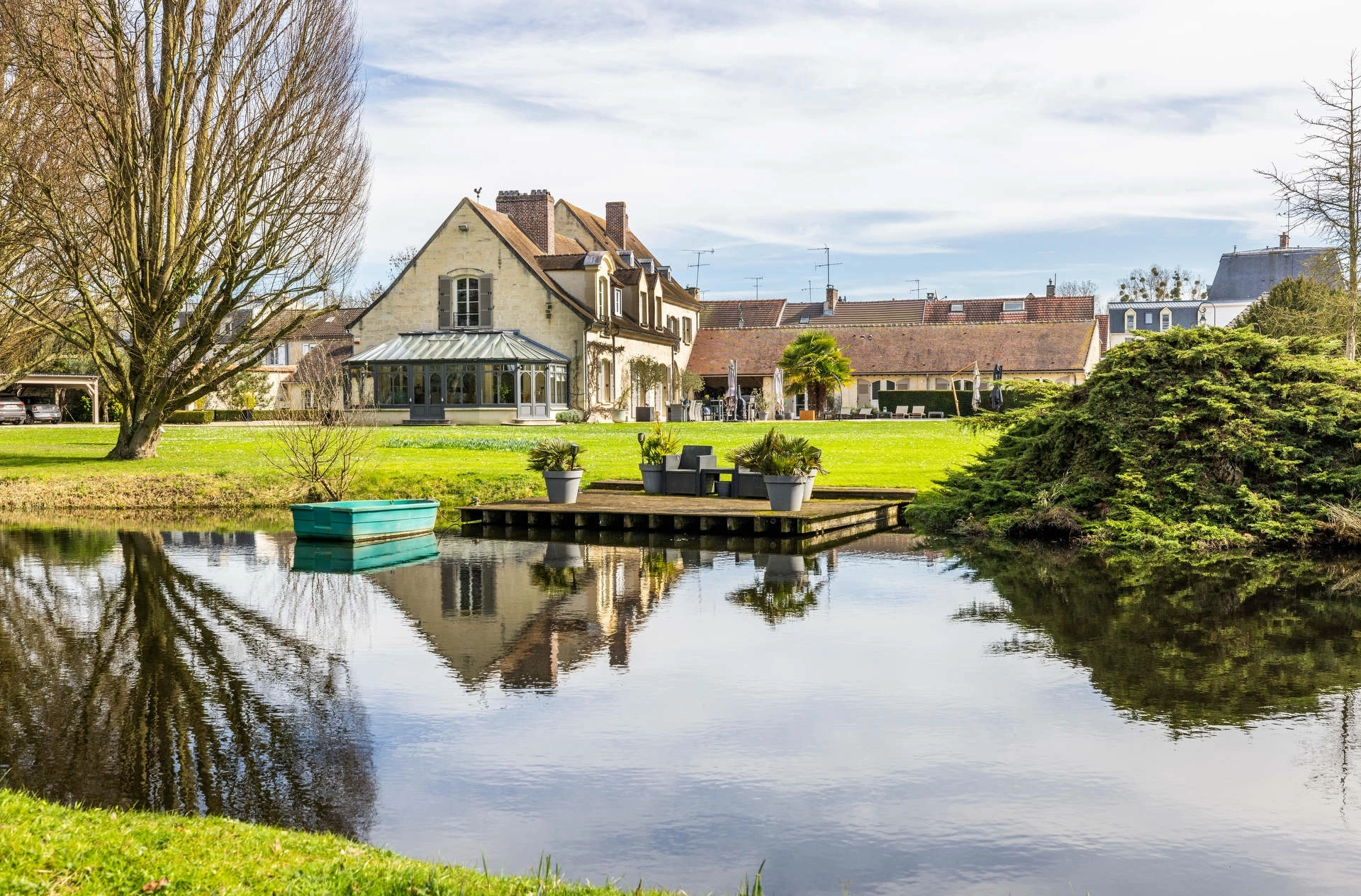
Photographing a property under unfavorable weather conditions requires flexibility and a true mastery of light. In my work as an architecture and real estate photographer, I have developed a method that allows me to produce reliable, natural, and enhancing images, even when the weather complicates the shoot.
My goal: to deliver consistent, aesthetic photos that are perfectly usable for your professional materials, regardless of the day’s conditions.
Anticipating the Weather Before the Shoot
Before every session, I precisely analyze the weather forecasts: cloud cover, rain radars, wind, brightness, and the potential timing of clear spells. Based on this data, I establish a flexible schedule:
- Shoot the exteriors as soon as a favorable weather window appears.
- Photograph the interiors when the rain sets in.
- Adjust the schedule in real-time as the sky evolves.
This organization guarantees the continuity of the reportage and optimizes the time spent on-site.
Managing a White or Heavily Overcast Sky
A uniform sky can become an interesting resource when properly managed. I favor angles that visually reduce the sky’s presence and use architectural lines to give character to the image. The facade then benefits from diffused light, which is ideal for revealing textures and materials.
This type of atmosphere creates a sober, timeless look that is highly appreciated in architecture photography. To go further on managing artificial light when natural light is lacking, I also detail my methods in my article: Photographing Night Spaces.
Photographing in Low Light
Very dark days require a more technical approach:
- Using a tripod to maintain perfect sharpness.
- Shooting in RAW to maximize detail recovery.
- Controlled long exposures to avoid any digital noise.
This method allows me to achieve a clean result, without digital forcing or excessive retouching.
Prioritizing the Interiors
Grey weather often creates soft, uniform interior light, which is ideal for balancing artificial lights, managing color grading, and controlling window exposures (avoiding blown-out windows).
This type of atmosphere is particularly suited to reportages for architects, interior designers, and premium agencies. To discover an example applied to the hospitality sector, you can read: Photographing a Luxury Hotel or Suite: Building a Coherent Visual Narrative.
Saving a Facade Despite Poor Conditions
When the exterior remains difficult to work with, I adapt my framing:
- Using a telephoto lens to isolate architectural details.
- Highlighting an atmosphere rather than a general wide view.
- Returning quickly at the right moment if the sky changes.
The objective remains to produce usable and coherent visuals.
Post-Production: Enhancing Without Betraying
I favor faithful, natural retouching:
- Correcting the sky without visible artifacts.
- Adjusting contrast to add depth.
- Respecting the true colors of the materials.
Post-production serves to improve the image, never to transform it.
Conclusion
Even in bad weather, I guarantee a professional, homogeneous, and enhancing reportage. Thanks to rigorous preparation, precise light analysis, and constant adaptation, every project remains usable and representative of the spirit of the place. Whether I work for a developer, an architect, a hotel, or a real estate agency, my priority is to restore a faithful, elegant, and coherent atmosphere.