
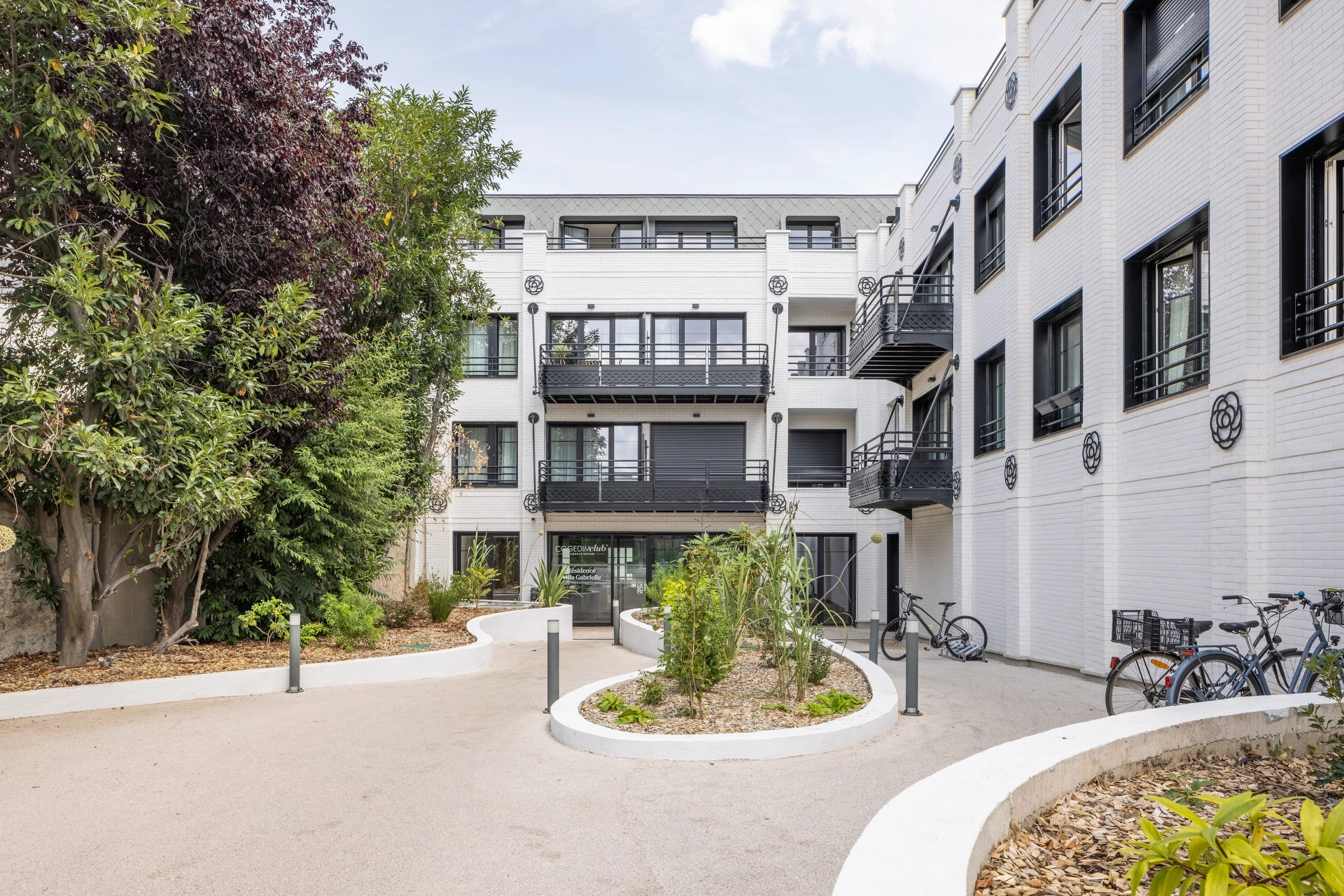
Photographing an architectural renovation requires a precise eye and distinct sensitivity. An old building already carries its own history, while modernization adds a new chapter to it. My role is to reveal this fragile balance, showing how heritage and contemporary intervention dialogue without competing.
This type of reportage is essential for architects, developers, decorators, or owners who wish to document the transformation or showcase a rehabilitation project. I apply the same rigorous standards to it as I do in my architecture, interior design, or luxury real estate shoots, always ensuring I build a coherent visual narrative.
Understanding the Building’s History
Before starting to shoot, I take the time to immerse myself in the location. I focus on:
- The history of the building.
- The original materials.
- The intentions behind the renovation.
- The preserved heritage elements.
- The contemporary interventions that redesign the identity of the place.
This scouting allows me to identify the essential elements to reveal: a restored volume, a renovated facade, modernized circulation, or a subtle harmony between ancient stone and contemporary materials.
To understand how I narrate a transformation as a whole, you can read my article: Photographing a Luxury Hotel or Suite: Building a Coherent Visual Narrative.
Light and Materials: Subliming the Old and the Contemporary
Natural light remains the most effective tool for revealing textures and materials. In renovations, it plays a central role: it highlights the irregularities of ancient stone, enhances restored plaster, or glides over modern materials like glass, steel, or crafted wood.
I adapt my approach based on the contrasts between the eras:
- Soft light to reveal ancient materials.
- Precise angles to make the old and modern dialogue.
- Controlling shadows and reflections to preserve the authenticity of the place.
To delve deeper into the use of light in more technical contexts, I outline several methods in: Photographing Night Spaces.
Angles and Composition: Revealing the Balance Between Eras
In a renovation, angles tell the story just as much as materials do. I build compositions that clarify how the space is read:
- Wide views to show the recovered volumes.
- Compositions focused on old/modern contrasts.
- Precise framing to avoid confusion in heterogeneous spaces.
My goal is to make the designer’s intention visible: transitions, breaks, continuities, or symmetries between the two eras.
Architectural Details: Preserving What Makes the Place Unique
In a renovated building, details are often the most expressive elements. I specifically photograph:
- Moldings, vaults, beams, or ancient stones.
- Restored masonry.
- Ironwork, railings, staircases.
- Contemporary elements: glass roofs, extensions, custom furniture.
These images help highlight the quality of execution and the finesse of the architectural or artisanal work.
Creating a Clear and Coherent Visual Narrative
As with any architectural reportage, I build a precise narrative thread to ensure a homogeneous result: a global understanding of the project, the coexistence of old and modern, and a logical progression from spaces down to details.
This method guarantees a comprehensive and rigorous reportage, perfectly suited for architectural portfolios, communication materials, competitions, or calls for tenders. To discover another example of a reportage where mood and overall consistency are essential despite constraints, read: Photographing a Property in Bad Weather.
Conclusion
Photographing renovated historical architecture requires an attentive eye, an understanding of the location, and true technical rigor. My objective remains the same: to produce faithful, elegant, and coherent images capable of highlighting the designer’s work and the building’s unique identity.