
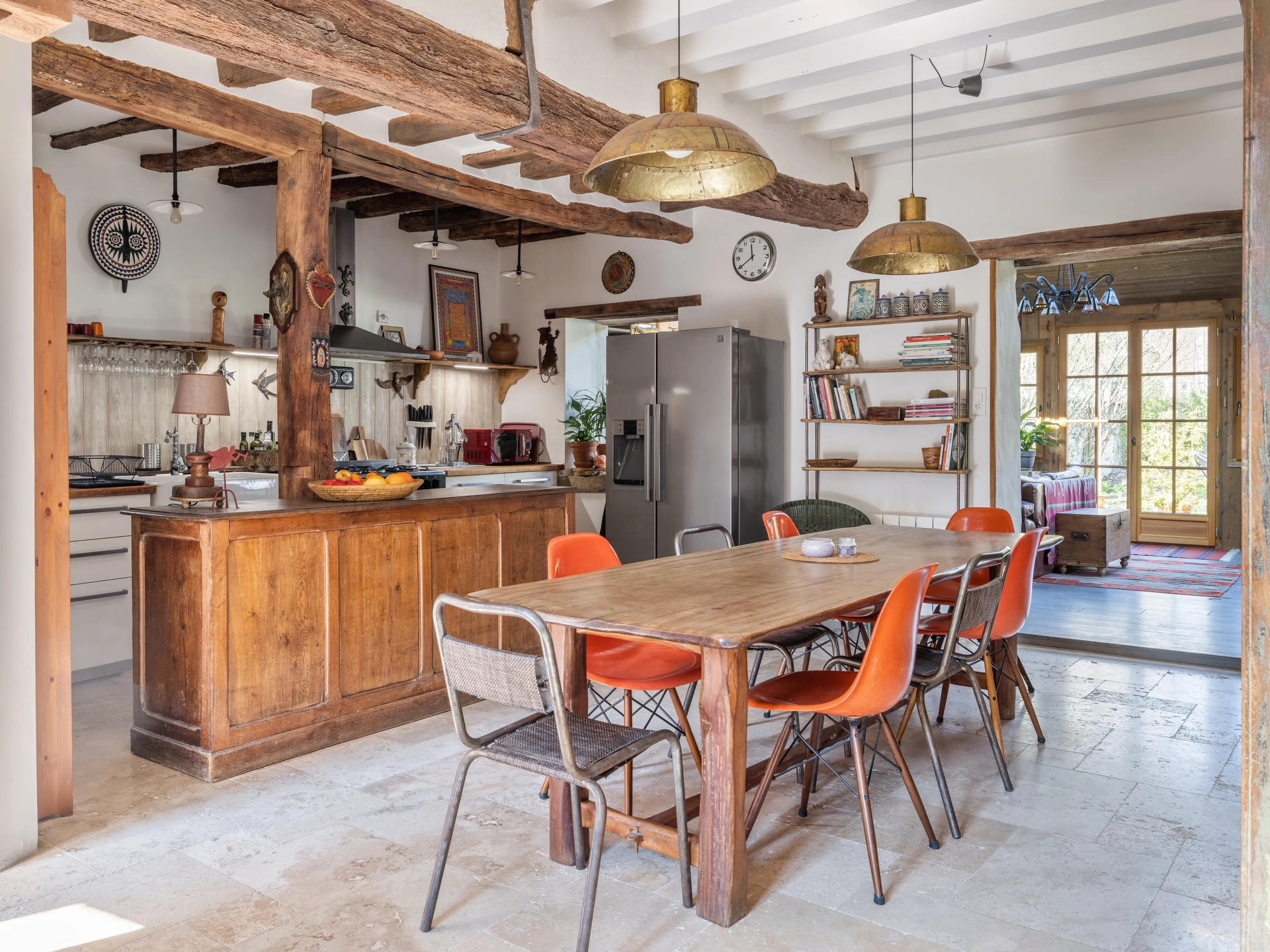
In real estate, the concept of standing is never limited to floor space, an address, or a list of amenities. It is built above all by perception. And in the vast majority of cases, this perception is born at the very first point of contact with the listing: the images.
Masterful real estate photography does not simply show a property; it immediately positions its level of luxury, steers the buyer’s imagination, and conditions their price expectation. Conversely, approximate visuals can degrade the perception of an otherwise qualitative property.
Photography as the First Indicator of Standing
Even before reading a description or examining floor plans, buyers form an opinion based on the images. Photographic quality acts as a signal of credibility and value.
A property photographed with masterful lighting, accurate perspectives, and balanced composition will instinctively be perceived as high-end. In this respect, natural light management plays a central role, as I explain in my article dedicated to architecture photography and natural light.
Conversely, dark, distorted, or poorly framed images give the impression of a constrained, low-quality, or even poorly maintained property, regardless of its reality.
Volumes, Proportions, and the Sensation of Space
The standing of a property relies largely on the reading of its volumes. Professional real estate photography does not seek to artificially enlarge the space, but to restore credible and flattering proportions.
The excessive use of the ultra-wide angle is one of the most frequent mistakes. It may certainly give an impression of surface area, but it alters the perception of volumes and creates an artificial sensation. I address this point in detail in the article devoted to the dangers of the ultra-wide angle in real estate photography.
An accurate and coherent rendering immediately reinforces the feeling of standing because it inspires trust.
Light as a Marker of Quality
Light is one of the most powerful elements for qualifying a property. A bright, readable, and balanced space is instinctively perceived as higher quality.
In high-standing properties, natural light becomes a genuine architectural argument. Its orientation, its diffusion, and its interaction with materials must be perfectly mastered. This is particularly true for high-end apartments and houses, where light contributes directly to the perceived value, as detailed in my article on luxury real estate photography.
Poorly managed, overly artificial, or inconsistent light can, conversely, trivialize an otherwise exceptional property.
The Role of Furniture and Styling in Perceived Standing
Standing is not only expressed through architecture but also by the way the spaces are staged. Furniture, materials, and volumes contribute to the overall reading of the property.
A structured, uncluttered, and visually coherent interior reflects a masterful, high-end image. This approach directly echoes the principles discussed in my article on the importance of furniture in high-end interior photography.
Even in an empty property, photography must suggest a potential for standing, which requires a precise reading of the space, as explained in the article on enhancing an empty apartment or house.
Visual Consistency Across the Entire Listing
Standing is also built upon the overall consistency of the images. A listing composed of disparate visuals, with inconsistent processing and lighting, blurs the message.
Conversely, a homogeneous photographic series reinforces the perception of professionalism and seriousness. This logic of consistency is essential, especially for premium properties or real estate developments, as I explain in the article on building a coherent series in architecture photography.
Conclusion
Real estate photography is not limited to illustrating a property. It defines its positioning, its perceived standing, and, indirectly, its value.
Masterful images make it possible to justify a price, attract a targeted audience, and reduce misunderstandings during visits. Conversely, approximate visuals systematically drag perception downwards.
Investing in professional real estate photography means investing directly in the enhancement of the property’s standing and in the commercial efficiency of the listing. Contact me to discuss your sales project.