
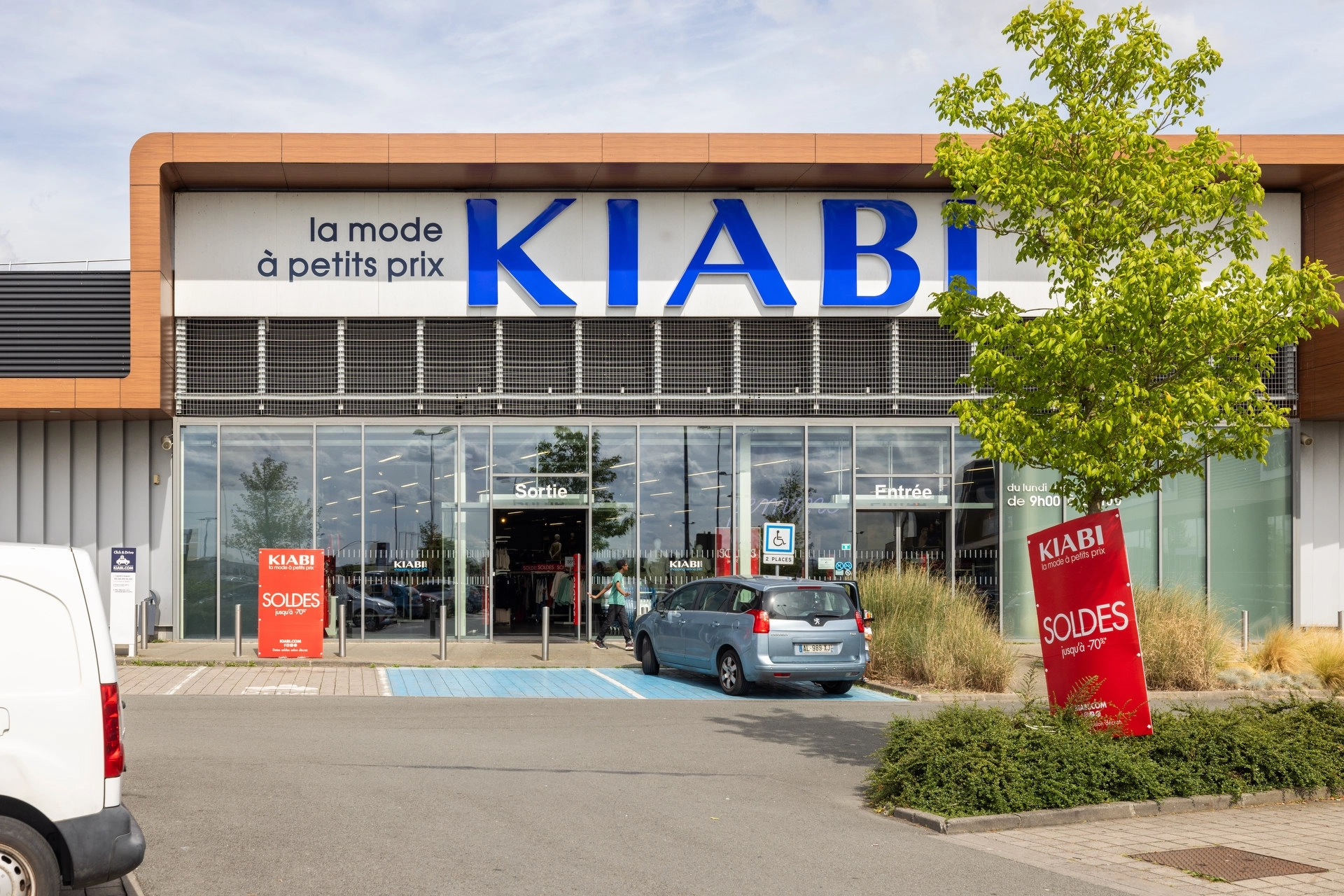
In retail photography, an image is never limited to showing a space. It must tell the story of an experience. A well-photographed point of sale allows a future customer to immediately understand how they will move around, what they will feel, and how the brand speaks to them.
My role as a retail photographer therefore consists of visually translating the customer journey, from the facade to the most immersive areas of the store.
Understanding the Customer Journey Before Shooting
Before taking any photos, I analyze the logic of the location: entrance, draw zones, discovery spaces, decision areas, and the exit path. This reading is essential for building a coherent series, as I detail in my article on building a cohesive series in architectural photography.
Every image must have a precise intention: guiding the eye, prioritizing information, and accompanying the visitor’s progression.
The Facade: Starting Point of the Narrative
The facade is the first interaction between the brand and its audience. It must be readable, attractive, and contextualized. Photographing a boutique without its immediate environment strips the image of meaning.
This approach echoes my work on the architectural identity of facades, where the building is always placed back within its actual use.
Highlighting the Key Areas of the Journey
A good retail reportage does not show everything, but it shows accurately. I pay special attention to strategic areas:
- Entrance and transition zones.
- Product highlight areas.
- Visual focal points.
- Fluid circulation zones.
This prioritization is directly linked to my approach to staging a neighborhood boutique, where each image reinforces the readability of the location.
Light and Atmosphere: Accompanying the Experience
Light structures the customer journey. A poorly photographed lighting scenography can completely break the perception of the place.
I therefore pay particular attention to the balance between natural and artificial light, especially in transition zones, as explained in my article on managing lighting and mood in retail photography. The goal is never to exaggerate, but to faithfully restore the atmosphere felt in the store.
Humanizing the Journey Without Overloading It
Depending on the brand’s positioning, integrating staff or customers can reinforce the understanding of the journey. These presences must remain discreet and credible, consistent with my approach developed in staging teams in retail.
An overcrowded image distracts attention from the location and harms the readability of the message.
Building a Series Designed for Communication
A retail reportage is rarely used on a single medium. Website, social networks, press kits, calls for tenders: the series must be adaptable. This is why I design each reportage as a structured whole, linked to the visual consistency of communication media.
Conclusion
Photographing a point of sale is not about documenting a static space. It is about translating a journey, an intention, and a customer experience. A successful retail photograph allows the viewer to project themselves naturally into the location, even before stepping inside.