
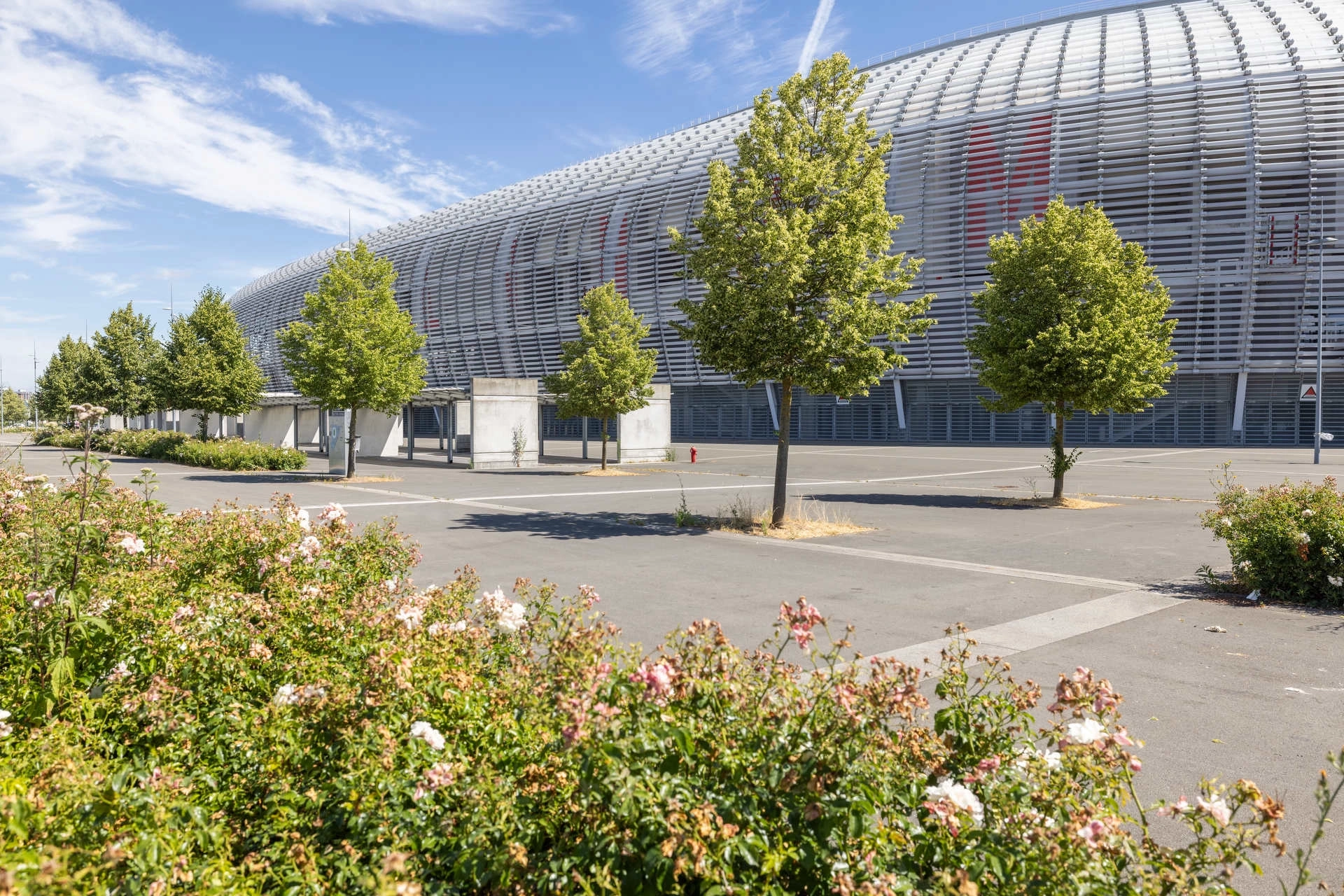
In complex architectural and real estate projects, photography is not limited to producing beautiful images. It becomes a strategic tool serving the understanding of the project, its readability, and its enhancement. The more demanding the context (technical constraints, communication stakes, multiplicity of stakeholders), the more the intervention of a specialized architecture and real estate photographer makes a difference.
Understanding the Project Beyond Aesthetics
A complex project is never just a succession of spaces. It tells an architectural intention, a specific usage, and often a brand or territorial identity.
This is precisely what I implement in my way of organizing an architecture shoot: analyzing the program, reading the volumes, understanding the flows, and determining the structuring viewpoints. This approach avoids a series of disconnected images and builds a coherent visual narrative, much like what I detail in Building a cohesive series in architectural photography.
Managing Technical Constraints Without Making Them Visible
Complex projects often accumulate difficulties:
- Restricted spaces.
- Atypical volumes.
- Coexistence of natural and artificial light.
- Time or phasing constraints.
A specialized photographer knows how to anticipate these situations, particularly through prior location scouting, which I consider indispensable on high-stakes projects (The importance of scouting before an architecture or real estate shoot).
The mastery of perspectives, the fine management of verticals, and the measured correction of optical distortions make it possible to restore credible spaces, as explained in How I anticipate and correct optical distortions in architecture.
Producing Images Usable Across All Media
A complex project is never photographed for a single use. The images must work simultaneously for:
- A press kit.
- Commercial communication.
- A call for tenders.
- A website or signage.
This is why visual consistency is essential, especially for real estate developments, where images must dialogue with each other over time (Why real estate developers need consistent images for an entire program).
A specialized photographer anticipates these uses right from the shoot and adapts their framing, rhythm, and processing.
Knowing How to Tell a Project’s Story Over Time
Some complex projects are part of a long timeframe: renovations, construction sites in occupied premises, phased deliveries. Photography then becomes a documentation tool as much as a promotional one.
This is the whole challenge of construction site photography and the end-of-project reportage, where rigor and constancy of vision are decisive.
Conclusion
On complex projects, photography tolerates neither approximation nor improvisation. Hiring a specialized photographer ensures a vision capable of understanding, structuring, and enhancing a project in all its complexity, without ever betraying the architectural intent.
Do you have a major project to deliver? Contact me to discuss your specifications.